
HERE ARE SOME TAX INEQUALITIES WEIGHING ON WORKERS:

WORK IS TAXED MORE THAN CAPITAL.

VIEW

THE HIGHEST INCOMES AVOID TAXATION.

VIEW

AN EVER-INCREASING CONCENTRATION OF WEALTH.

VIEW

ZERO TAX ON LARGE INHERITANCES.

VIEW

EMPLOYEES PAY MORE THAN COMPANIES.

VIEW

A HOUSING MARKET THAT EXCLUDES.

VIEW

PUBLIC SPENDING. A LUXURY?

VIEW

The CSL calls for fairer taxation: higher taxes on capital and wealth, and an end to unjustified tax privileges.

WORK IS TAXED MORE THAN CAPITAL.

DOES THAT SEEM FAIR TO YOU?
For higher taxation of capital and wealth to achieve fiscal justice.
Why is work taxed more than capital?

In Luxembourg, income from work is often taxed much more heavily than income from capital.

The figures speak for themselves:
  • Mandatory deductions represent about one third of an average salary, while they are below 5% for an equivalent amount from dividends.
  • A salary of €4,000 can result in nearly €500 in tax per month, compared to less than €100 for equivalent dividends.
  • A capital gain of €100,000 on shares can be completely tax-exempt, whereas equivalent labour income can generate nearly €25,000 in tax.

According to the OECD, Luxembourg is among the countries with the largest gap between taxation of labour and capital.

Higher taxation of capital and wealth is essential to ensure that everyone contributes fairly and to achieve tax justice.

top arrow
BACK TO TOP

THE HIGHEST INCOMES AVOID TAXATION.

DOES THAT SEEM FAIR TO YOU?
The Luxembourg tax system is supposed to be progressive: the more you earn, the more you contribute. Yet the figures show a more nuanced reality.
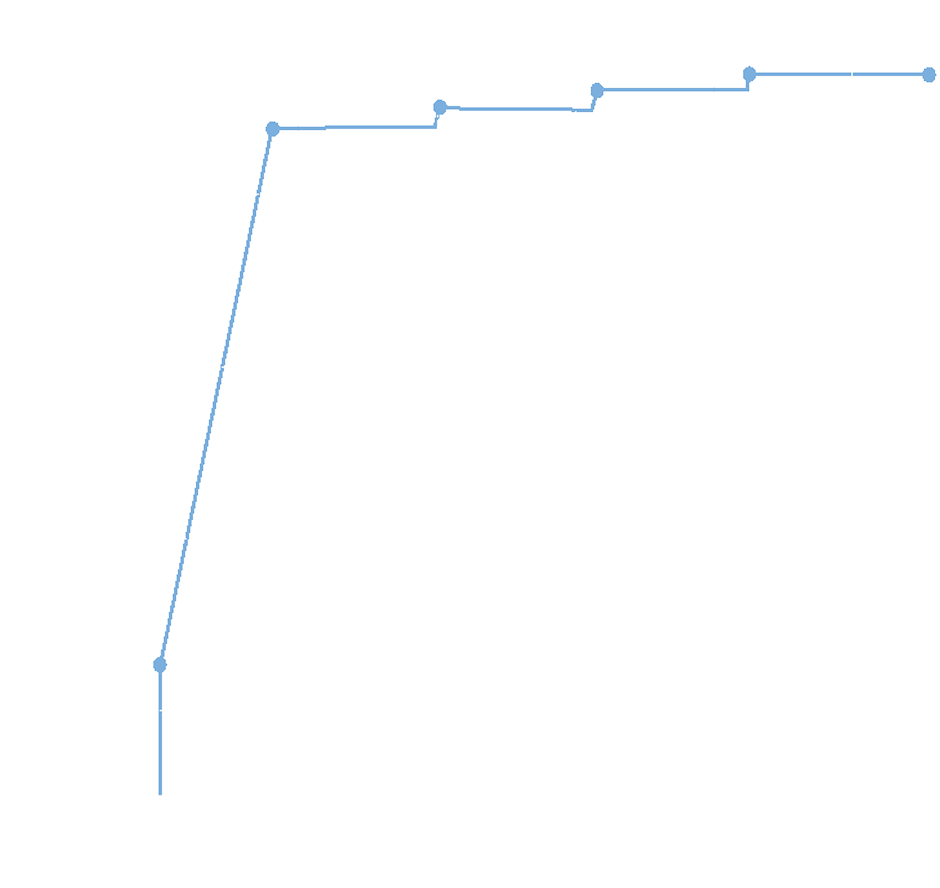
MARGINAL TAX RATE
(TAX SCALE 1)
marginal tax rate graph
Taxable annual income

The marginal tax rate rises from 0% to 39% between €13,000 and €54,100 of income, the range within which most employees fall.

The top rate only reaches 42% starting at €234,870, which limits progression for very high incomes.

Between 2002 and 2019, the effective tax rate for the middle classes rose from 13.2% to 21.4% (+62%), while that of the wealthiest households remained almost stable (22.1% → 21.6%).

Today, the middle classes finance 72.8% of the socio-fiscal system, while representing 61.4% of households.

We need a tax system where everyone contributes according to their real capacity in order to achieve tax justice.

AN EVER-INCREASING CONCENTRATION OF WEALTH.

DOES THAT SEEM FAIR TO YOU?
In Luxembourg, a significant share of wealth is held by a minority of households, a situation that undermines social cohesion without offering any real economic rationale.
Circle Graph
48.6%
51.4%
Top 10% of households
Remaining 90% of households
The figures are telling:
  • The top 10% own 48.6% of total wealth, and the top 5% alone hold 35.1%.
  • On average, the net wealth of the top 10% exceeds €6 million, and that of the top 5% reaches nearly €9 million.
  • Income-generating assets are even more concentrated: 73% are owned by the top 5% and 87.5% by the top 10%.

It is essential to rethink taxation to include the taxation of wealth. This would help reduce inequalities and mobilize resources to address major challenges: the housing crisis, the ecological transition, and population ageing.

Such a reform could take the form of a tax on very large fortunes, while providing for a substantial tax-free threshold so that only the wealthiest are targeted.

ZERO TAX ON LARGE INHERITANCES.

DOES THAT SEEM FAIR TO YOU?
In Luxembourg, the absence of taxation of inheritance in a direct line makes inheritance a powerful driver of inequality across generations.
Key facts:
  • More than 4 out of 5 inheritances are not taxed.
  • Only one third of households have inherited, and 83% of transmitted wealth goes to the richest 10%.
  • Around €350 billion in wealth will eventually be transferred, mostly without taxation.

Far from being just family support, inheritance becomes a powerful mechanism for wealth concentration. The wealthier a person is, the more they inherit, reinforcing their economic, social and political position.

IT'S TIME TO INTRODUCE INHERITANCE TAXATION

that limits privileges and allows for a fairer redistribution of wealth to ensure real tax justice.

HOWEVER, WE SUPPORT A FAIR AND BALANCED REFORM:

a large portion of transferred wealth should remain tax-exempt, in order to protect modest inheritances and ensure that this taxation targets very large fortunes, which today concentrate the majority of wealth, rather than ordinary households.

EMPLOYEES PAY MORE THAN COMPANIES.

DOES THAT SEEM FAIR TO YOU?
The CSL believes that companies should contribute more to collective investment in order to achieve a fairer society.

In Luxembourg, public finances rely heavily on households, while companies contribute proportionally much less.

The figures show an imbalance:
  • Households provide nearly 37% of public revenue via income tax, plus 22% via VAT.
  • Companies contribute only about a quarter of revenue, despite profits increasing by +42% between 2020 and 2024.
  • The official corporate tax rate is around 24%, but the actual rate paid can drop to between 1% and 8% due to tax loopholes and optimization mechanisms.
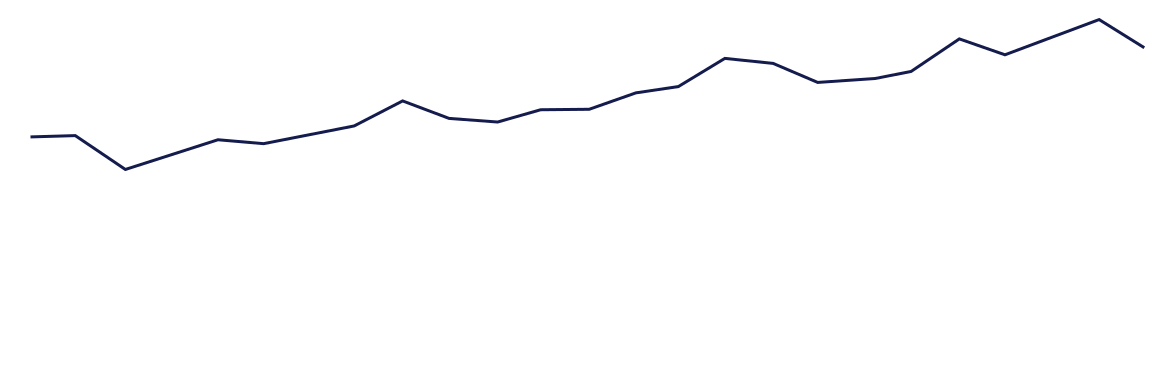
  • The share of corporate tax in public revenue has decreased by 4 percentage points since 2000, while that of households has increased by 12 points.
EVOLUTION OF THE SHARE OF CERTAIN TAXES IN STATE REVENUE
Evolution of the share of certain taxes in state revenue
Taxes on wages
Corporate income tax

It is essential that companies, especially the most profitable ones, bear a fair share of the collective effort.

Strengthening actual corporate taxation would help fund public services, reduce pressure on labour income, and ensure a more balanced and fair economic model.

The figures are clear:
  • Property prices remain about 50% higher than in 2010 (in real terms).
  • The rent burden for private tenants increased from 31.8% in 2016 to 39.3% in 2023.
  • For the most modest-income households, it reaches 55.6%, meaning more than half of income goes to housing.
  • Up to 20,000 homes are currently vacant, withdrawn from the market.
  • By themselves, the 1,000 largest landowners hold 46.9% of buildable land.

A strained market, insufficient supply, and land concentration are driving price increases and excluding a growing share of the population.

Using taxation to address land hoarding, taxing vacant housing, rebalancing tax advantages, and supporting tenants is essential to ensure fair access to housing for all.

A HOUSING MARKET THAT EXCLUDES.

DOES THAT SEEM FAIR TO YOU?
The housing crisis in Luxembourg has reached a critical level and threatens access to a fundamental right.

PUBLIC SPENDING. A LUXURY? NO, A VITAL INVESTMENT.

PUBLIC SPENDING HOLDS OUR SOCIETY TOGETHER.
In Luxembourg, the State spends €40.4 billion to ensure decent living conditions.
Key figures:
42%
goes to social protection
86%
of health spending is public
11%
funds education, with at least €20,000 per year per student
60%
of economic spending supports transport, free for all
90%
of social protection spending consists of transfers that reduce inequalities and protect people against life risks

Without public funding, access to healthcare, education, or mobility would become inaccessible for many. In times of crisis, each invested euro can generate up to €2.5 in wealth.

Strengthening public spending is essential to protect the population and ensure a fairer society based on solidarity.

A TAX SYSTEM THAT CREATES INEQUALITY.

DOES THAT SEEM FAIR TO YOU?
Our finding: While tax loopholes reinforce inequalities, more and more workers are falling into poverty.

Our goal: A tax system where everyone contributes according to their true means. For real tax fairness.

Lorem ipsum dolor

Slide left
Slide right

The CSL calls for fairer taxation:

higher taxes on capital and wealth, and an end to unjustified tax privileges.